Payment Stocks: A Complete Investor Guide
Last updated: December 2025
The global payments industry sits at the center of consumer spending, e‑commerce growth, and financial digitization. For investors, payment stocks can be grouped by how they participate in the payment value chain—from card networks and processors to fintech apps and B2B infrastructure providers.
This SEO‑focused guide categorizes payment stocks, includes public and important private companies, and explains what each company actually does, with exchange‑qualified tickers and direct stock links.
1. Payment Networks (Card Networks)
Payment networks operate the transaction rails that connect merchants, issuing banks, and consumers. They typically do not take credit risk and benefit from global transaction volume growth.
Public Companies
Visa (V) Visa is the world’s largest electronic payments network, enabling authorization, clearing, and settlement for credit, debit, and prepaid card transactions across more than 200 countries. Visa does not issue cards or extend credit; instead, it partners with banks and earns revenue primarily from transaction processing fees, cross‑border fees, and value‑added services such as fraud prevention, tokenization, and data analytics. Its asset‑light model produces high operating margins and strong free cash flow, making it one of the most defensively positioned companies in global finance.
Mastercard (MA) Mastercard operates a global payments network similar to Visa but has differentiated itself through strong exposure to cross‑border commerce, digital payments, and value‑added services. In addition to transaction processing, Mastercard generates growing revenue from cybersecurity, loyalty programs, data analytics, and open banking solutions. The company benefits disproportionately from international travel and e‑commerce trends, while maintaining an asset‑light business model with minimal credit risk.
American Express (AXP) (Hybrid) American Express combines a closed‑loop card network with card issuance and lending, allowing it to capture a larger share of transaction economics than open networks. The company focuses on affluent consumers, small businesses, and corporate clients, generating revenue from merchant fees, cardholder fees, and interest income. While this model exposes American Express to credit cycles, it also supports premium branding, strong customer loyalty, and higher average spend per card.
Important Private Companies
Discover Financial Services (Hybrid · Private, acquired by Capital One) Discover operates its own payment network while also issuing consumer credit cards, personal loans, and student loans. Following its acquisition by Capital One, Discover is no longer publicly traded. Its vertically integrated model combines network operations and lending, resulting in greater exposure to credit quality, regulatory oversight, and balance‑sheet risk compared to pure payment networks like Visa or Mastercard.
UnionPay (China) UnionPay is China’s dominant card network, processing the vast majority of domestic card transactions and serving as the backbone of the country’s electronic payments system. Backed by major Chinese banks, UnionPay has expanded internationally to support outbound Chinese tourism and cross‑border commerce, though its influence remains primarily domestic due to regulatory and geopolitical factors.
2. Payment Processors & Merchant Acquirers
Processors and acquirers enable merchants to accept, route, and settle payments, often bundling hardware, software, and analytics into integrated commerce solutions.
Public Companies
Fiserv (FISV) Fiserv is a diversified financial technology provider serving banks, credit unions, and merchants. Its acquisition of First Data expanded its merchant acquiring footprint, while the Clover POS platform has become a key growth driver among small and mid‑sized businesses. Fiserv generates recurring revenue from payment processing, core banking software, and long‑term client contracts, providing stability alongside moderate growth.
Global Payments (GPN) Global Payments provides merchant acquiring, integrated POS software, and payment solutions for SMBs and enterprise clients across North America, Europe, and Asia. The company emphasizes software‑embedded payments in vertical markets such as healthcare, education, and hospitality, creating higher switching costs and improving margins over time.
Block (XYZ) Block’s Square segment delivers an end‑to‑end commerce ecosystem for sellers, including POS hardware, payment processing, invoicing, payroll, inventory management, and working‑capital loans. Square is particularly strong among micro‑merchants and small businesses, and its monetization scales with customer growth and transaction volume rather than purely on payment fees.
Toast (TOST) Toast is a vertical SaaS and payments platform purpose‑built for restaurants. Its system integrates POS, payment processing, online ordering, payroll, inventory, and guest engagement tools into a single platform. By embedding payments into mission‑critical restaurant software, Toast achieves high customer retention and recurring revenue, albeit with exposure to the cyclical hospitality industry.
Shift4 Payments (FOUR) Shift4 focuses on integrated payments for complex, high‑volume environments such as hotels, casinos, sports venues, and entertainment businesses. The company differentiates itself through end‑to‑end payment orchestration, fraud prevention, and deep integrations with industry‑specific software providers.
Adyen (ADYEN:AMS) Adyen is a global, enterprise‑focused payment processor serving large multinational merchants. Its unified commerce platform allows businesses to accept payments across online, mobile, and in‑store channels through a single backend system. Adyen’s direct acquiring model improves authorization rates and data visibility, making it a preferred partner for large e‑commerce and platform companies.
Worldline (WLN:EPA) Worldline is a European payments leader specializing in merchant acquiring, digital payments, and transaction processing for banks, governments, and large enterprises. The company has significant exposure to regulated European markets and benefits from the region’s transition toward cashless payments.
Important Private Companies
Stripe Stripe is a leading online payments infrastructure provider known for its developer‑friendly APIs. Beyond payment acceptance, Stripe offers subscription billing, fraud prevention, tax automation, and embedded financial services. It serves startups through large enterprises and plays a foundational role in global e‑commerce and SaaS ecosystems.
3. Digital Wallets & Consumer Fintech Platforms
These companies provide consumer‑facing payment apps and often monetize through ecosystems rather than transaction fees alone.
Public Companies
PayPal (PYPL) PayPal operates one of the largest global digital payment platforms, enabling online checkout, peer‑to‑peer transfers, and merchant payments. Its ecosystem includes PayPal, Venmo, Braintree, and Xoom, generating revenue from transaction fees, merchant services, and value‑added offerings. PayPal benefits from scale and brand trust but faces rising competition from wallets and card‑network innovations.
Block (XYZ** – Cash App)** Cash App is a consumer financial super‑app offering peer‑to‑peer payments, direct deposit, debit cards, stock trading, and cryptocurrency access. Block monetizes Cash App through interchange fees, instant deposits, Bitcoin services, and financial products, positioning it as a hybrid payments and consumer finance platform.
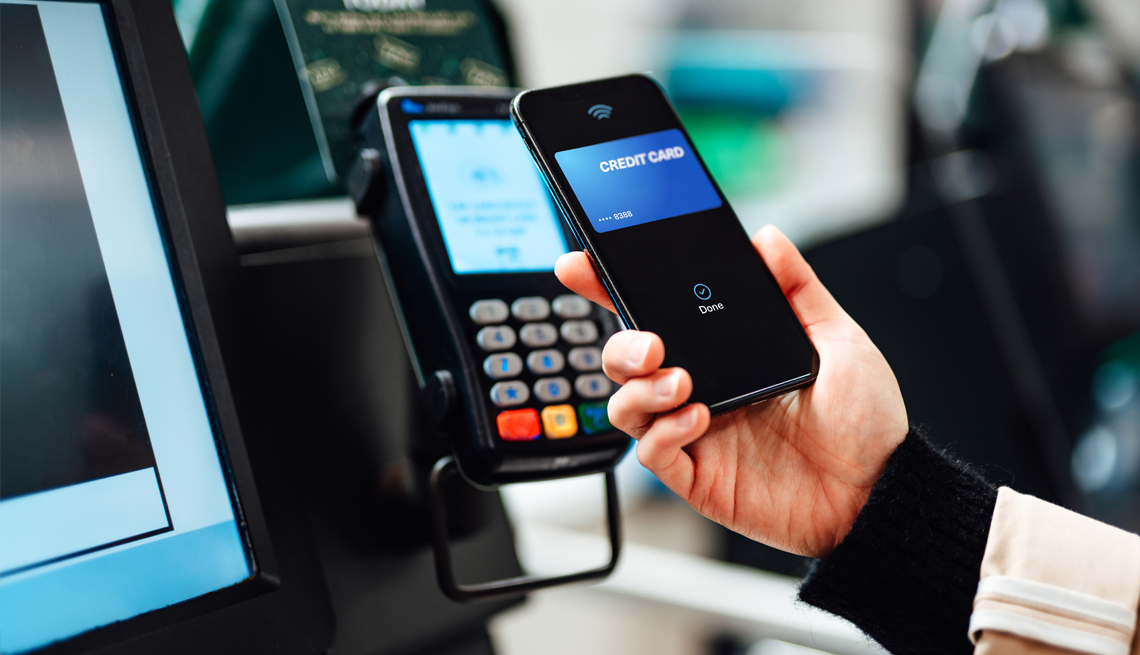
Apple (AAPL** – Apple Pay)** Apple Pay is a mobile wallet embedded across Apple’s hardware ecosystem, enabling contactless in‑store payments and seamless online checkout. While Apple Pay is not a primary revenue driver, it strengthens device stickiness, supports Apple’s services strategy, and positions the company at the center of digital commerce.
Alphabet (GOOGL** – Google Pay)** Google Pay integrates payments across Android devices, Chrome, and Google services. Its strategic value lies in supporting Google’s broader ecosystem, advertising, and commerce initiatives rather than direct monetization.
Important Private Companies
Samsung Pay Samsung Pay enables mobile and contactless payments on Samsung devices, leveraging hardware integration and global partnerships with banks and card networks.
4. Cross‑Border & Remittance Payments
These firms specialize in international money movement, foreign exchange, and emerging‑market payment corridors.
Public Companies
Western Union (WU) Western Union operates a global remittance network spanning physical agent locations and digital channels. It facilitates cross‑border money transfers, particularly for underbanked populations, but faces long‑term pressure from digital‑first competitors.
MoneyGram (MGI) MoneyGram provides international money transfer services through retail locations and digital platforms, focusing on speed, accessibility, and emerging markets.
Wise (WISE:LON) Wise offers low‑cost international money transfers using real exchange rates and transparent fees. Its technology‑driven model appeals to consumers and businesses seeking alternatives to traditional banks.
Remitly (RELY) Remitly is a digital‑first remittance provider focused on immigrant communities. It emphasizes mobile delivery, competitive pricing, and customer experience, with strong growth in emerging market corridors.
dLocal (DLO) DLocal enables global merchants to accept and disburse payments in emerging markets by handling local payment methods, regulatory complexity, and FX settlement.
Important Private Companies
Revolut Revolut is a global fintech super‑app offering digital banking, cards, foreign exchange, crypto, and international money transfers. Its cross‑border payments functionality is a core driver of user engagement and monetization.
5. B2B Payments & Infrastructure
These companies focus on business payments, billing automation, and financial infrastructure.
Public Companies
ACI Worldwide (ACIW) ACI provides mission‑critical real‑time payments software, fraud management, and transaction processing solutions for banks and large enterprises.
FleetCor (FLT) FleetCor offers specialized payment solutions for fleet operators, fuel purchases, tolls, and corporate expenses, generating recurring, high‑margin revenue.
Bill Holdings (BILL) Bill automates accounts payable and receivable workflows for SMBs, embedding payments into invoicing and cash‑flow management software.
Payoneer (PAYO) Payoneer enables cross‑border B2B payments for freelancers, marketplaces, and global businesses, facilitating payouts and FX conversion.
Important Private Companies
Coupa Pay Coupa Pay embeds payments directly into procurement and expense management workflows, reducing friction in B2B transactions.
6. Buy Now, Pay Later (BNPL)
BNPL providers offer installment‑based payment options at checkout, often targeting younger and credit‑constrained consumers.
Public Companies
Affirm (AFRM) Affirm provides installment loans at checkout, emphasizing transparent pricing and longer‑duration payment plans. Revenue is generated from merchant fees and consumer interest, with credit risk managed through underwriting and funding partnerships.
Sezzle (SEZL) Sezzle offers BNPL solutions focused on responsible spending, with features designed to encourage on‑time payments and consumer financial health.
Klarna (KLAR) Klarna is a global BNPL provider combining installment payments with a shopping and discovery platform, monetizing through merchant fees, advertising, and financial services.
Important Private Companies
Afterpay (owned by Block) Afterpay popularized BNPL in online retail and is now integrated into Block’s merchant and consumer ecosystems.
Final Thoughts: How Investors Use These Categories
- High‑quality, defensive models: Visa, Mastercard
- Merchant growth & software leverage: Adyen, Shift4, Block
- Consumer credit exposure: American Express, Discover, Capital One
- Emerging market growth: dLocal, Payoneer, Remitly
- Higher‑risk, higher‑reward: BNPL providers
Understanding where a company sits in the payments stack helps investors assess growth drivers, margin durability, and risk exposure.